


How we work
From the first conversation to the part in production, then the choice is yours.
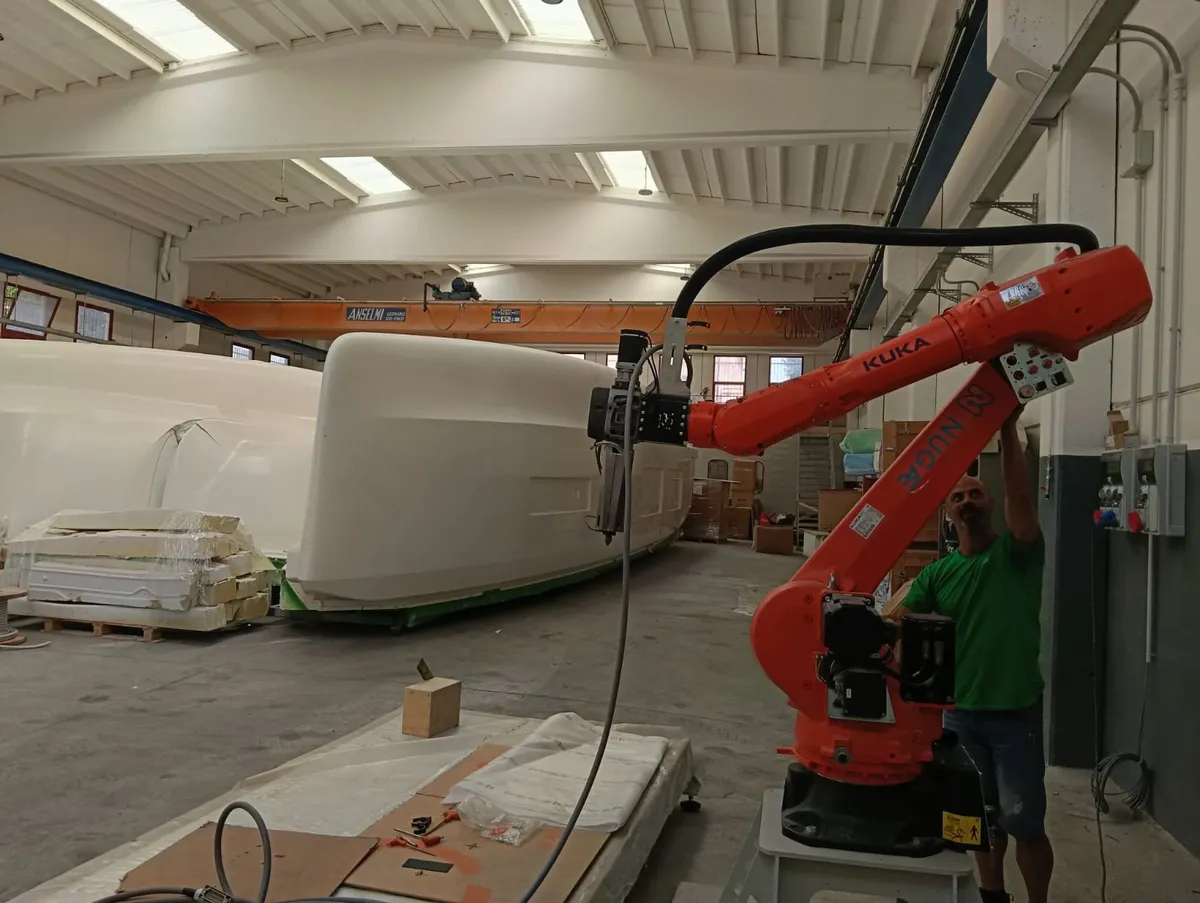
A print bureau takes a file and returns a part. We start earlier: from the problem, not from the drawing. And at the end of the path the road forks, because not everyone wants the same thing. Some prefer us to do the producing; others want the technology inside their own plant.
1. Let us talk
The first step is a conversation, not a quote. We want to know what that component has to do, where it has to work, how many you need and what is slowing you down today: the mould, the lead time, the weight, the logistics.
At this stage we often find that the right part to print is not the one you mentioned first.
2. We design for printing, together
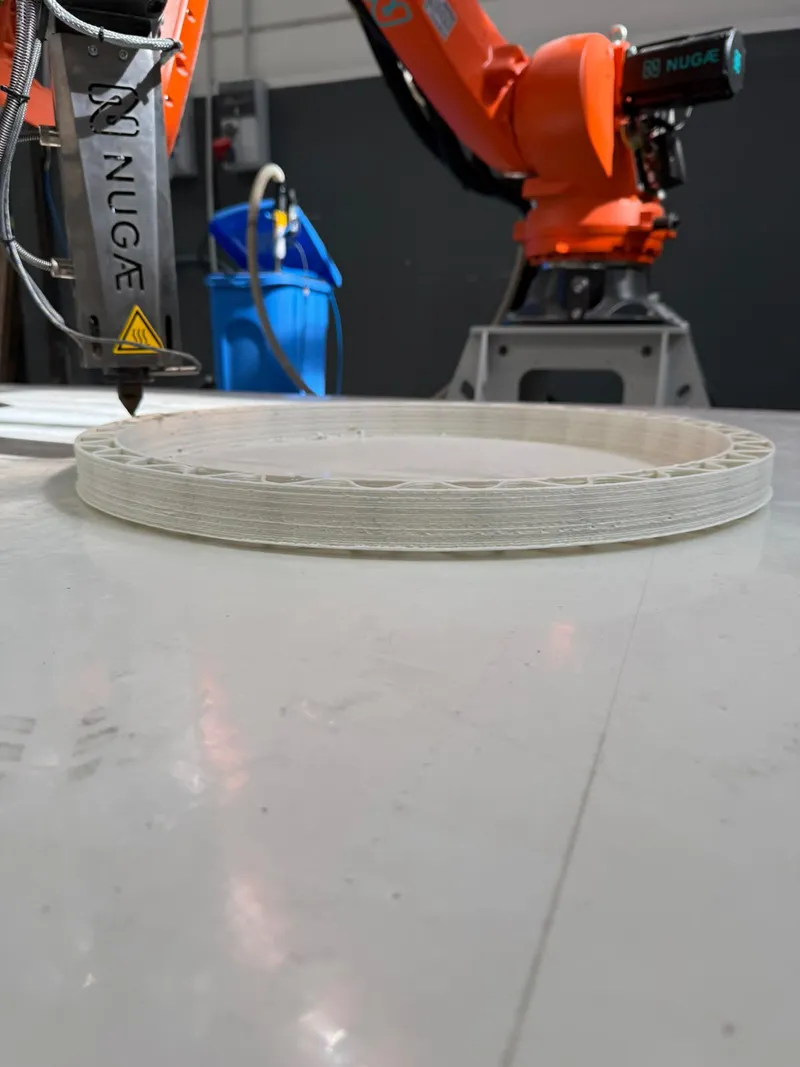
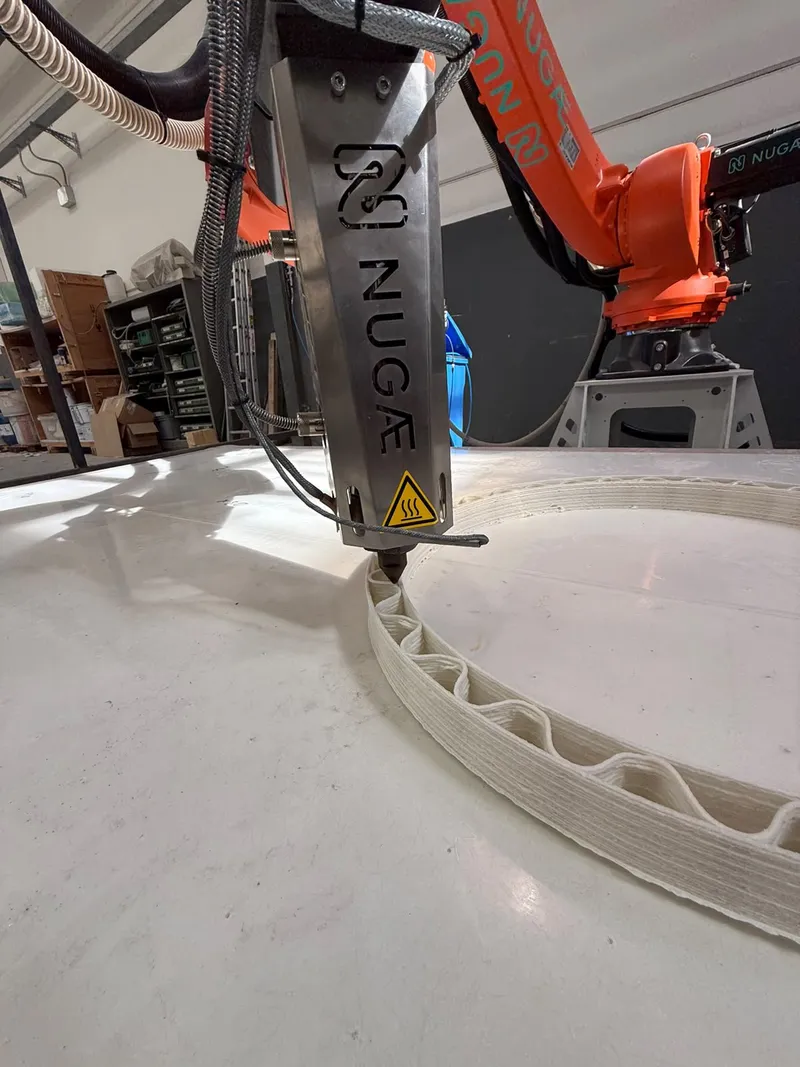
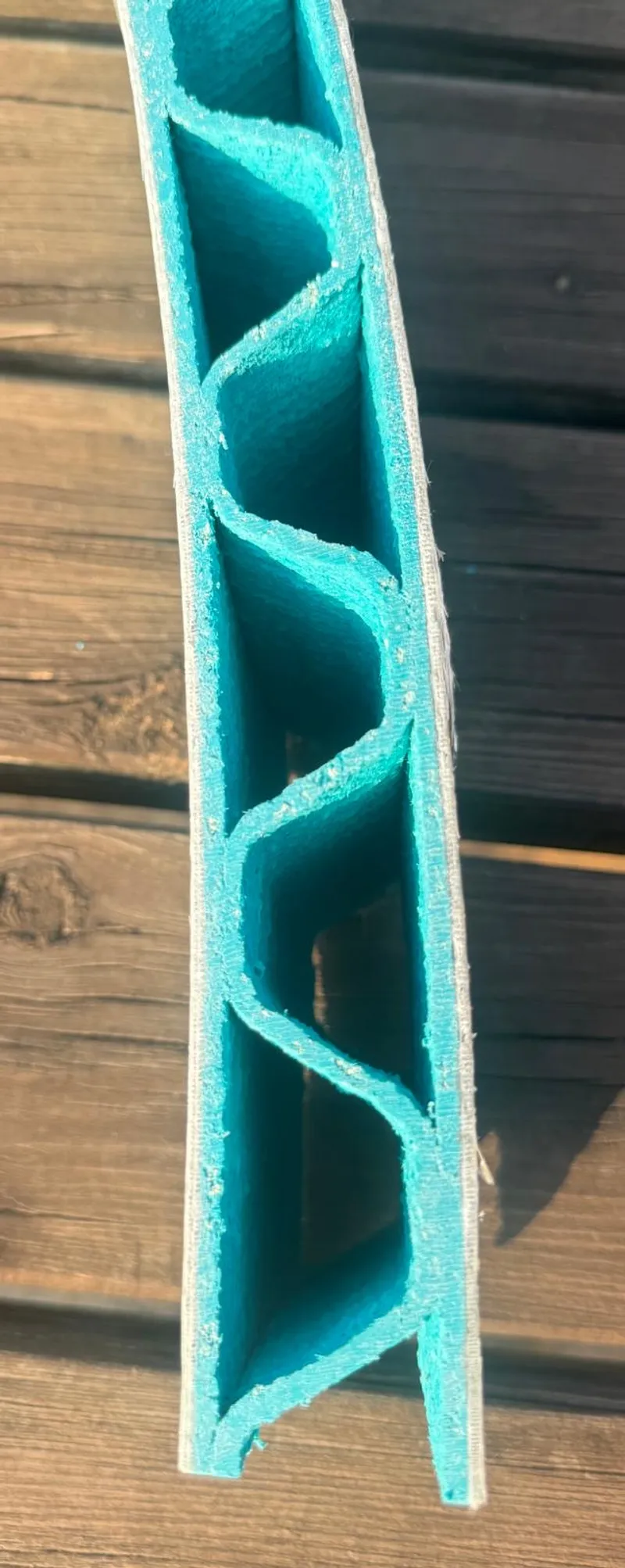
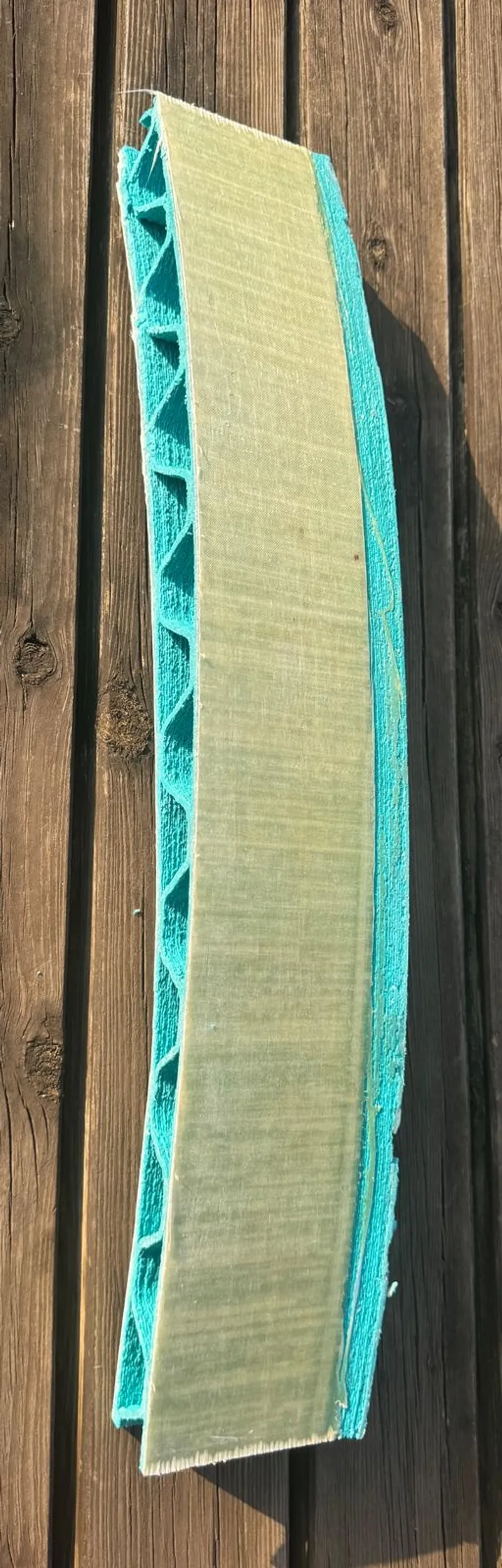
A part designed for a mould is rarely a good part to print. We work with your technical office, or with your design studio, to take the project where the technology pays off: internal ribs instead of solid material, thin walls, geometries that would cost in a mould and cost nothing here.
This is the stage where almost everything is decided: the final weight, the machine hours, the cost.
3. Prototype and test
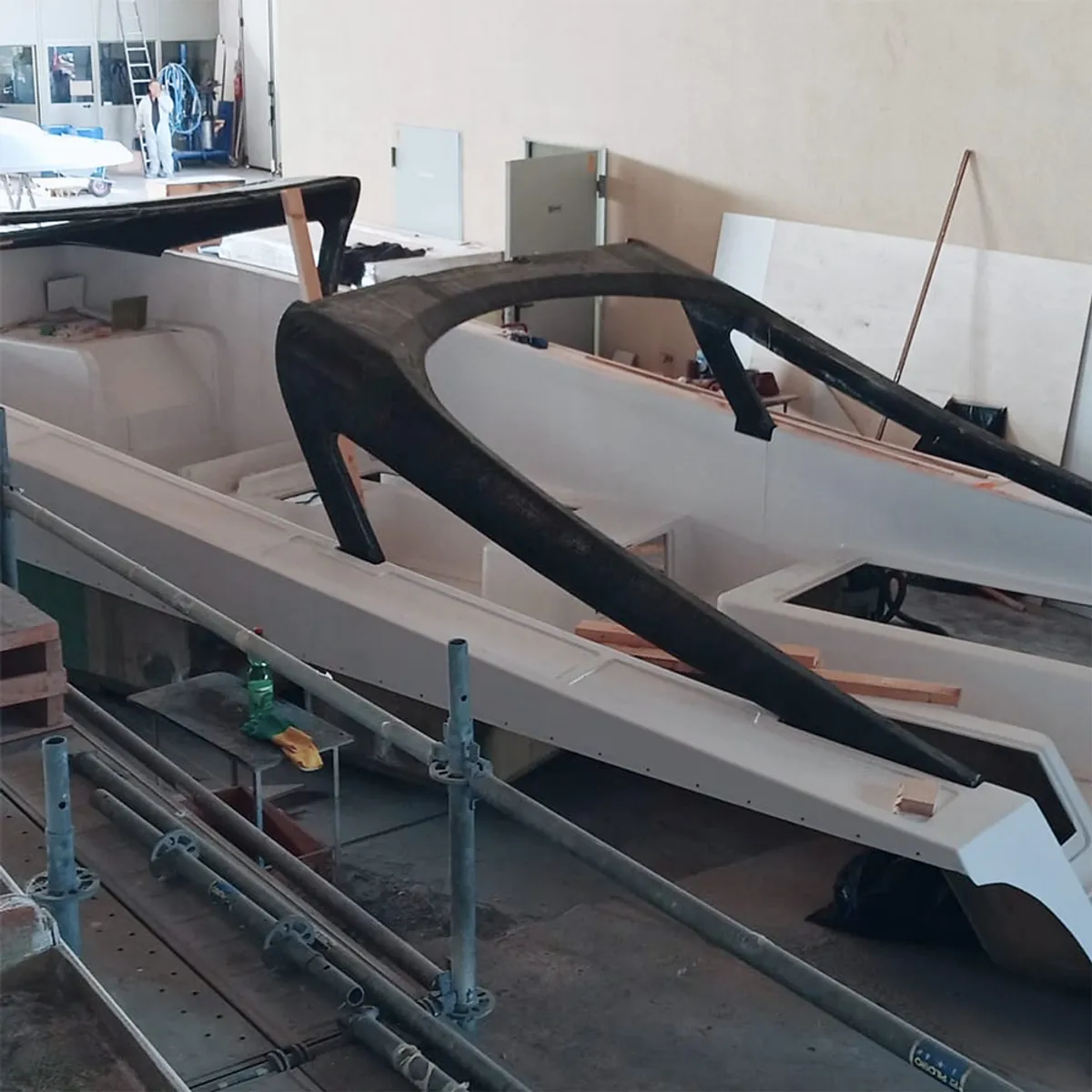
With no mould, a change costs a reprint instead of new tooling. Print, test, correct: in days, not months. This is when assumptions become an object you can touch, weigh and fit.
It is also where the change of pace shows: by skipping the plug and the mould, production times come down drastically.
4. Validation and process set-up
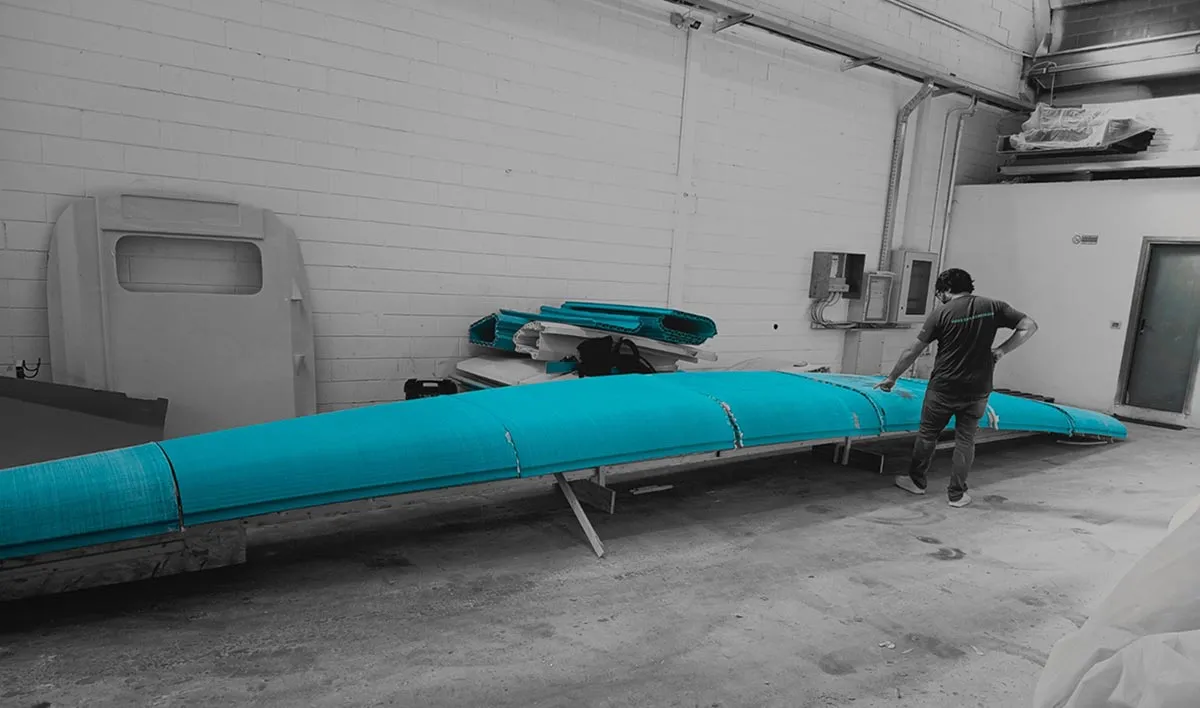
Once the part convinces you, we make it repeatable: finishing, lamination and integration with composites, fixings and tolerances, checks. Our mechanical test data and the research carried out with leading Italian universities come in here.
5. Now you choose
The process is proven. From here there are two routes, and neither rules out the other: several customers start with the first and move to the second when volumes justify it.
Route A: we produce
You get the parts, we keep the machines, the materials and the operators. No investment, no floor space to find, no training to run. Production follows demand: a prototype, a small series, a refit.
Right for those who want the part and not the plant, or who need to see the figures on their own product first.
Route B: the technology becomes yours
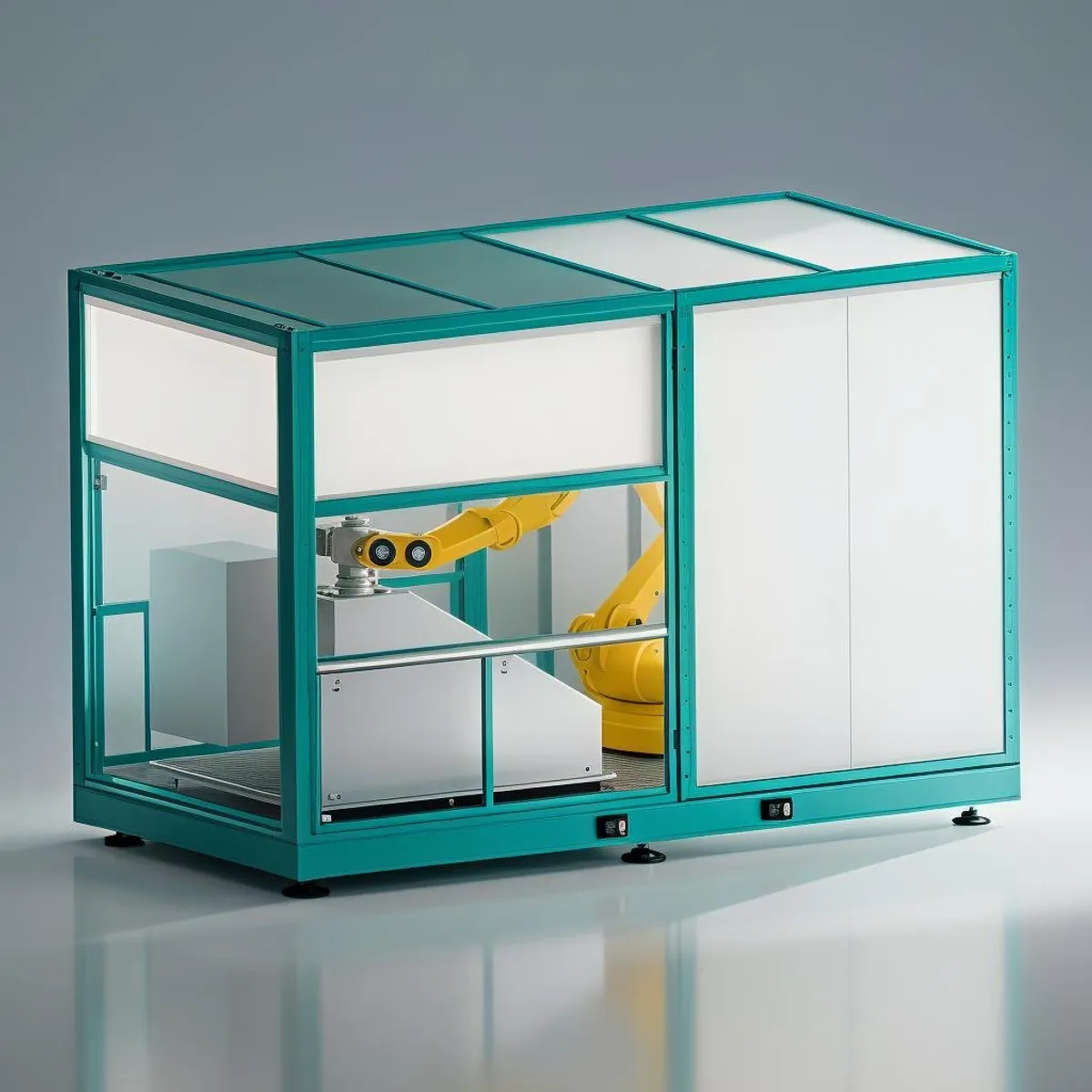
We install the NUGAE system at your site: robot, patented extruder, NU-Slice software, CoreLight3D® materials and staff training. From then on you produce your own components, and those of third parties if you wish, with our support for part engineering.
Before deciding you can try NU-Mobile, the same technology brought to you for a defined period: a test, a demo in front of your technical office, a production slot.
And afterwards
A part that works is not a finish line. Whether production stays with us or moves to you, we remain the reference for materials, spares, software updates and the next version of the design.
One counterpart for hardware, software, material and method: that is the difference between buying a machine and adopting a technology.
How to start
Tell us about your project: send us an email with what you have in mind, a few lines and a picture are enough. As soon as we understand what it is about, we arrange a direct conversation with the people at NUGAE who will work on it.