Shape Camper living cell
Details of print element
Length 420 cm
Width 210 cm
Weight 220 kg
Case study

Camper living cell

Project: Camper living cell

Shape

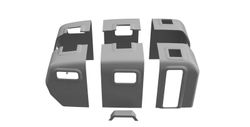
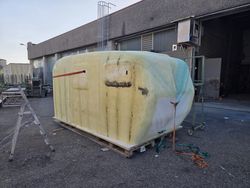
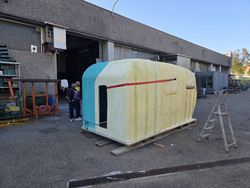
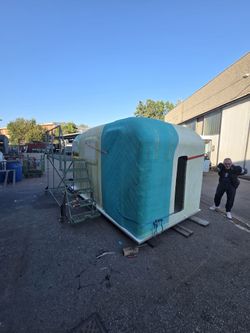
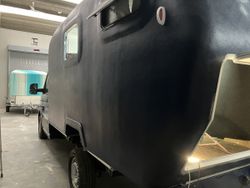
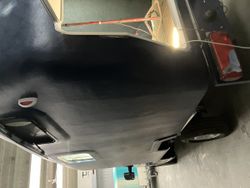
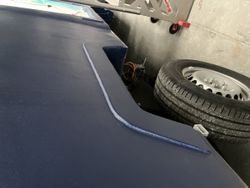
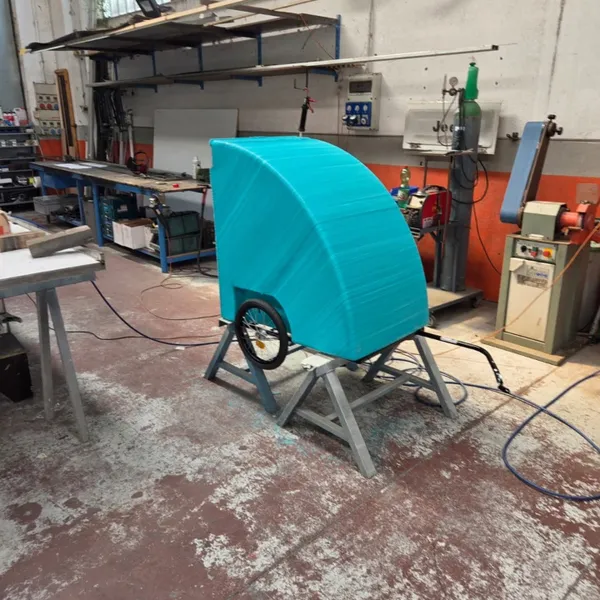
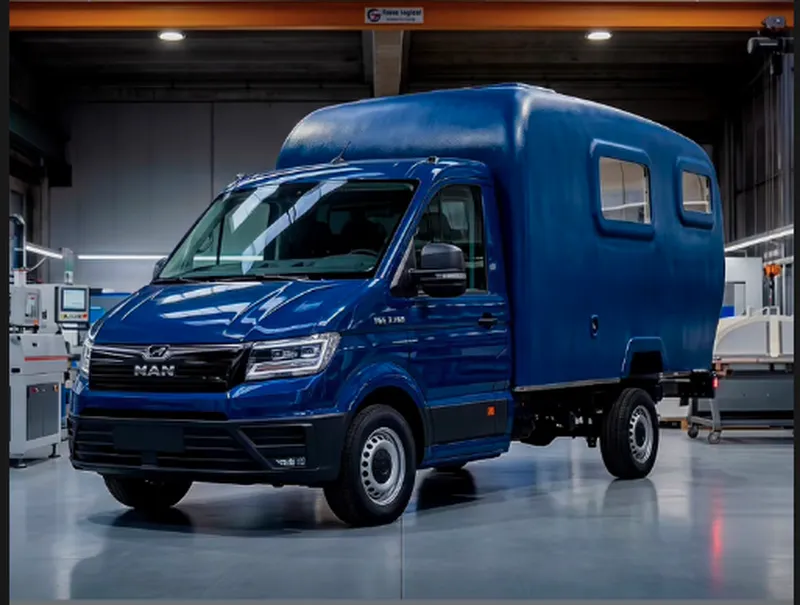
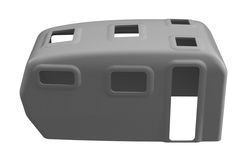
A camper living cell printed instead of moulded: the shell comes off the machine in its final shape, 4,2 x 2,1 metres and about 220 kg, with ribbed walls that insulate by the way they are built, then it is laminated, painted and fitted on the vehicle.

Problem

A living cell for a vehicle is a large shell, with insulating walls, openings for the door and the windows and a shape that has to follow the chassis. In fibreglass it needs a mould that size, which only pays back over a long series: for a custom conversion or a handful of units the tooling costs more than the part.

Need

A shell made to measure for the chassis, light because every kilo takes away payload, with walls that insulate by the way they are built and a surface ready for lamination and paint.

Solution

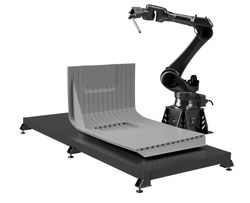
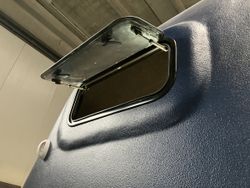
The cell was printed in CoreLight3D®, the NUGAE material, with the NU-Print system installed in the NU-Hub of Galliate Lombardo, and produced by D. CAB Srl. The shell comes off the machine already in its shape and with its ribbed walls, with no mould: the openings are cut afterwards, the surface is laminated in fibreglass, filled and painted.

The printed shell weighs about 220 kg. Finished, that is resined and painted, it reaches about 450 kg.

Photos: D. CAB Srl.

Benefits

No mould to build: the shape is decided by the design, not by the tooling

Shell made to measure for the vehicle chassis

Ribbed walls, light and insulating by the way they are built

Surface ready for lamination, filler and paint

Produced independently in the D. CAB Srl NU-Hub of Galliate Lombardo, right where the vehicle is converted

Challenge us